9 Lobster Recipes Worth the Splurge
If there's one thing I know, it's lobster. After years of cooking it, eating it and even selling it live from Maine on QVC, I've learned what works. Here you'll find all of my best lobster recipes, along with plenty of tips and tricks to help you cook lobster perfectly every time. Whether you're using fresh lobsters or frozen tails, looking for classics like lobster rolls or something different like lobster mac and cheese, you're sure to find plenty of inspiration on this list!
This post may contain affiliate links.
Lobster Meat Options
One of the best things about cooking with lobster is that you have several different options depending on your budget, availability and how much work you want to do.
Whole live lobsters offer the best value and give you access to every part of the lobster, including the shells, which can be used to make incredible stocks, bisques, and chowders.
If you're buying live lobsters, ask your fishmonger if they'll steam them for you. Many are happy to help, and it saves a lot of time and mess at home.
Frozen lobster tails are typically the easiest option and work beautifully in most recipes. They're widely available, easy to store and give you plenty of sweet, tender meat without having to break down a whole lobster. Just be sure to thaw them slowly in the refrigerator before cooking.
You can also purchase cooked and cleaned lobster meat, usually a mix of claw, knuckle, and sometimes tail meat. This is perfect for recipes like lobster rolls, chowders, mac and cheese, fritters and pasta dishes.
While fresh lobster is always wonderful, don't overlook frozen lobster meat. It can be a convenient and delicious option when handled properly!
Live Lobster vs Frozen Tails
If you're making a special occasion dinner, live lobsters are hard to beat. They provide the freshest flavor and allow you to use both the meat and shells, which means more flavor and less waste.
That said, frozen lobster tails are one of my favorite shortcuts. High-quality cold water lobster tails from Maine or Canada are excellent.
For most home cooks, frozen tails are the easiest and most practical choice. Just thaw them completely before cooking and be careful not to overcook them, since lobster can go from perfectly tender to rubbery in a matter of minutes.
I recommend steaming or boiling frozen lobster tails (that have been thawed) for 1 minute per ounce.
Cold Water vs Warm Water Lobster
Not all lobster is created equal. If you've ever wondered why some lobster tastes sweeter and more tender than others, it usually comes down to location.
Cold water lobster, which comes from places like Maine and Canada, is prized for its sweet flavor, firm texture, and large claws packed with meat. It's the gold standard for most lobster recipes and the type I recommend using whenever possible.
Warm water lobster, often called spiny lobster, is commonly found in Florida, the Caribbean, and other tropical regions. Unlike cold water lobster, it doesn't have large claws, so most of the meat comes from the tail. While it can still be delicious, the flavor is generally a little less sweet and the texture tends to be softer.
The Best Lobster Recipes
Lobster is one of my favorite ingredients, and while it definitely feels luxurious, it doesn't have to be intimidating! Whether you're working with frozen tails, fresh lobster meat or a whole lobster, there are so many delicious ways to enjoy it beyond simply dipping it in butter.
Butter Poached Lobster
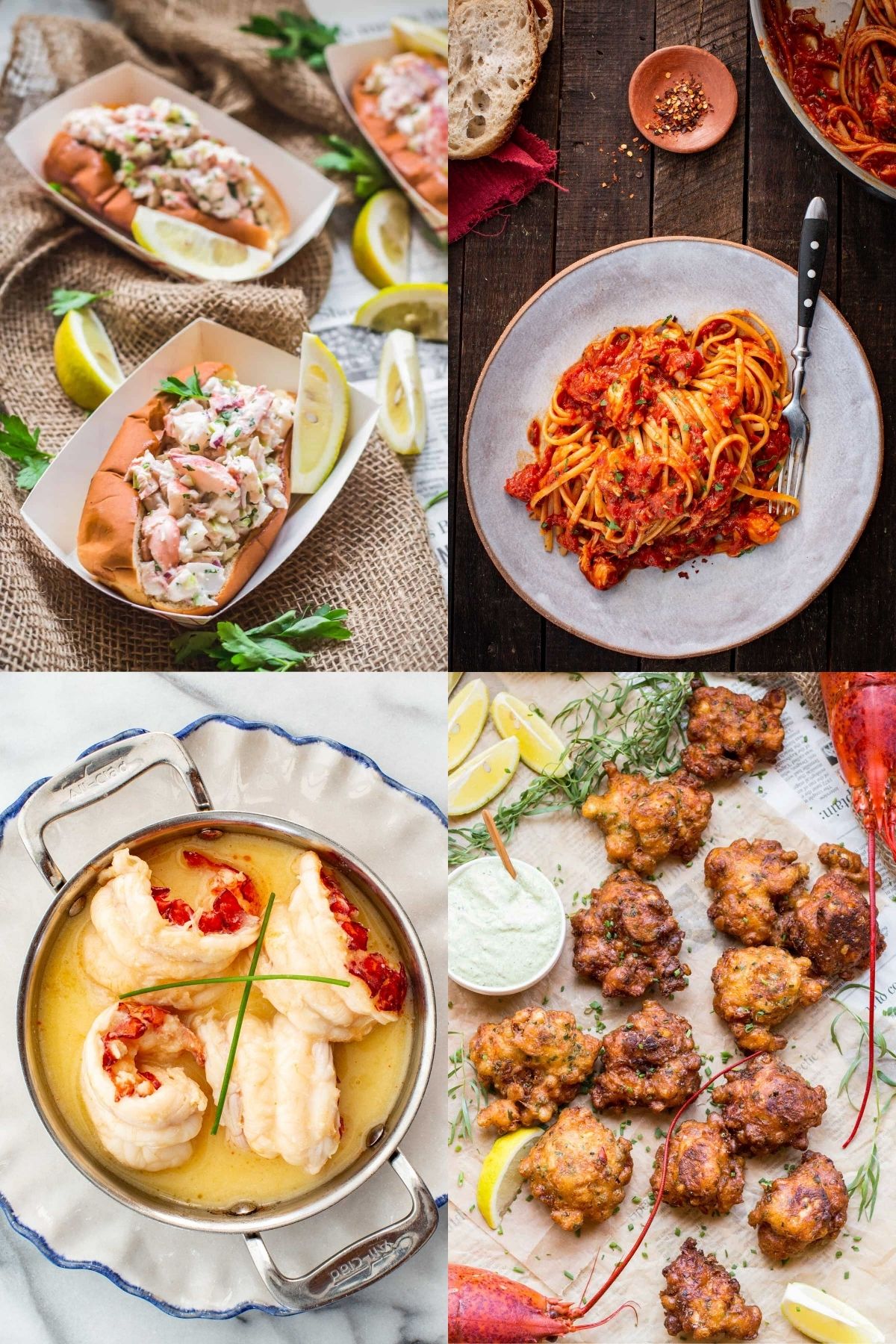
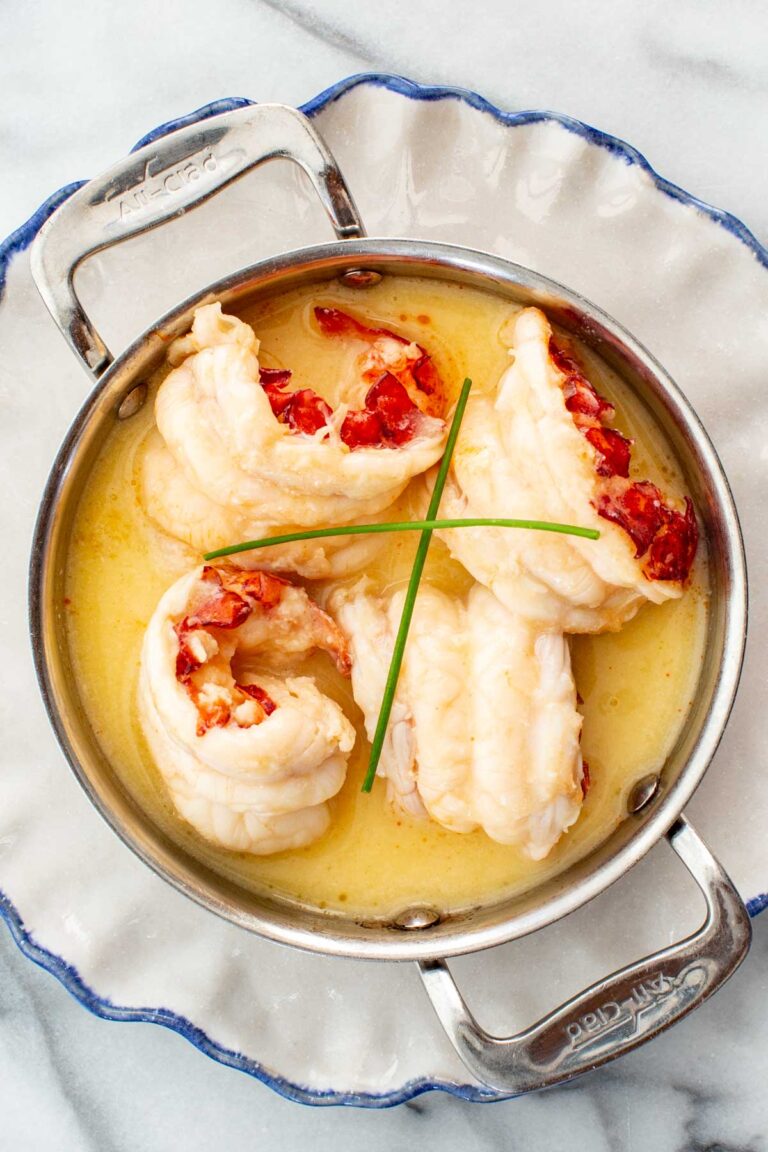
Using the classic French technique known as beurre monté, lobster gently cooks in a silky emulsified butter sauce that keeps it incredibly tender, succulent, and packed with flavor. It's a simple preparation that really lets great lobster shine.
Classic Maine Lobster Rolls
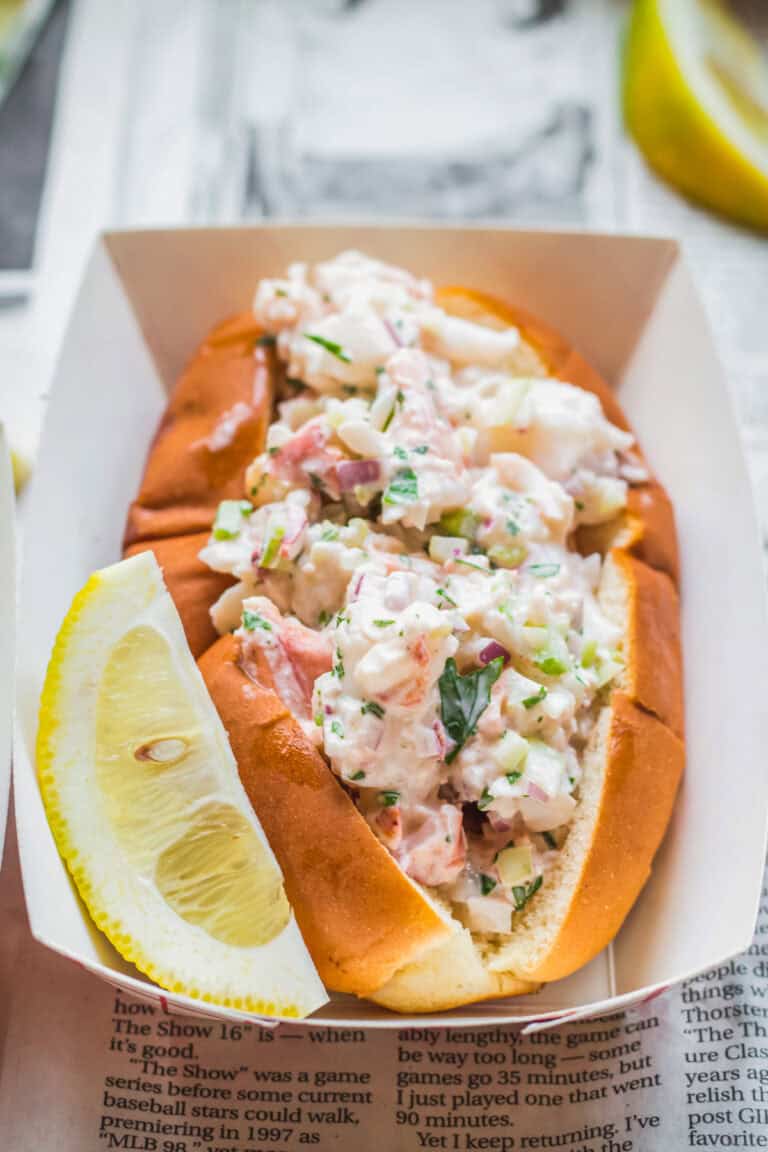
I've been making lobster rolls since I was a teenager, using the leftovers from our annual family lobster feasts, and this version is still my favorite. Big chunks of sweet lobster are lightly dressed with just enough mayo, lemon, celery, and onion for balance, then piled into a buttery toasted bun. It's simple, classic, and everything a great lobster roll should be.
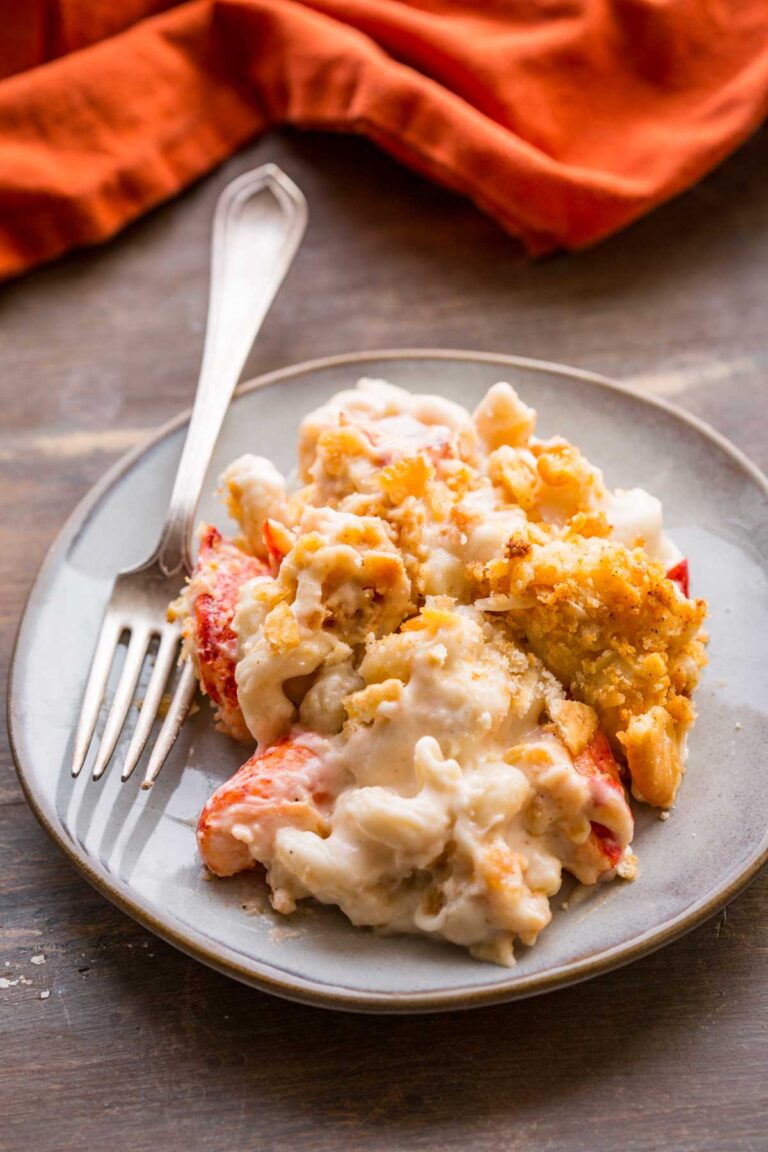
Lobster Mac and Cheese
This lobster mac and cheese is one of my most requested recipes for good reason. Big pieces of sweet lobster are folded into a rich, creamy cheese sauce, then topped with buttery Ritz cracker crumbs that bake up golden and crisp. It's over-the-top in the best possible way.
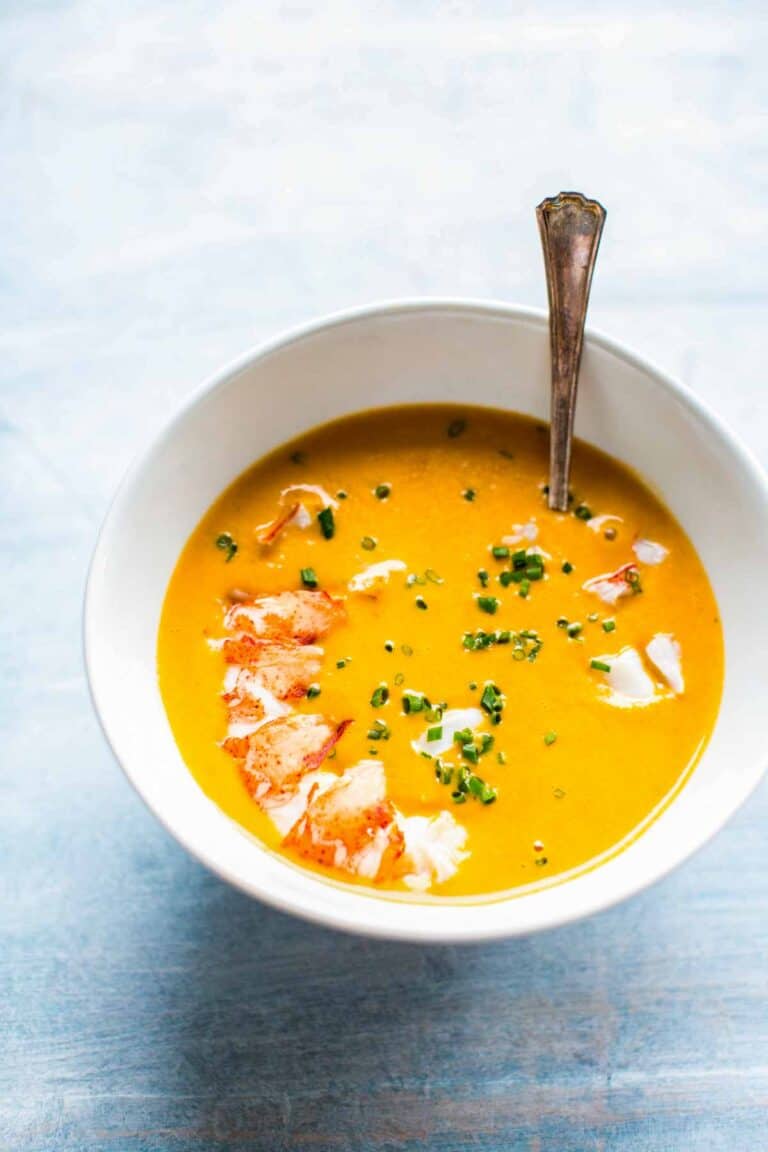
Lobster Bisque
This classic lobster bisque recipe is one I learned in culinary school and have been perfecting ever since. It's rich, silky, and packed with deep lobster flavor from a homemade shellfish stock, making it perfect for holidays, date nights, and special occasions.
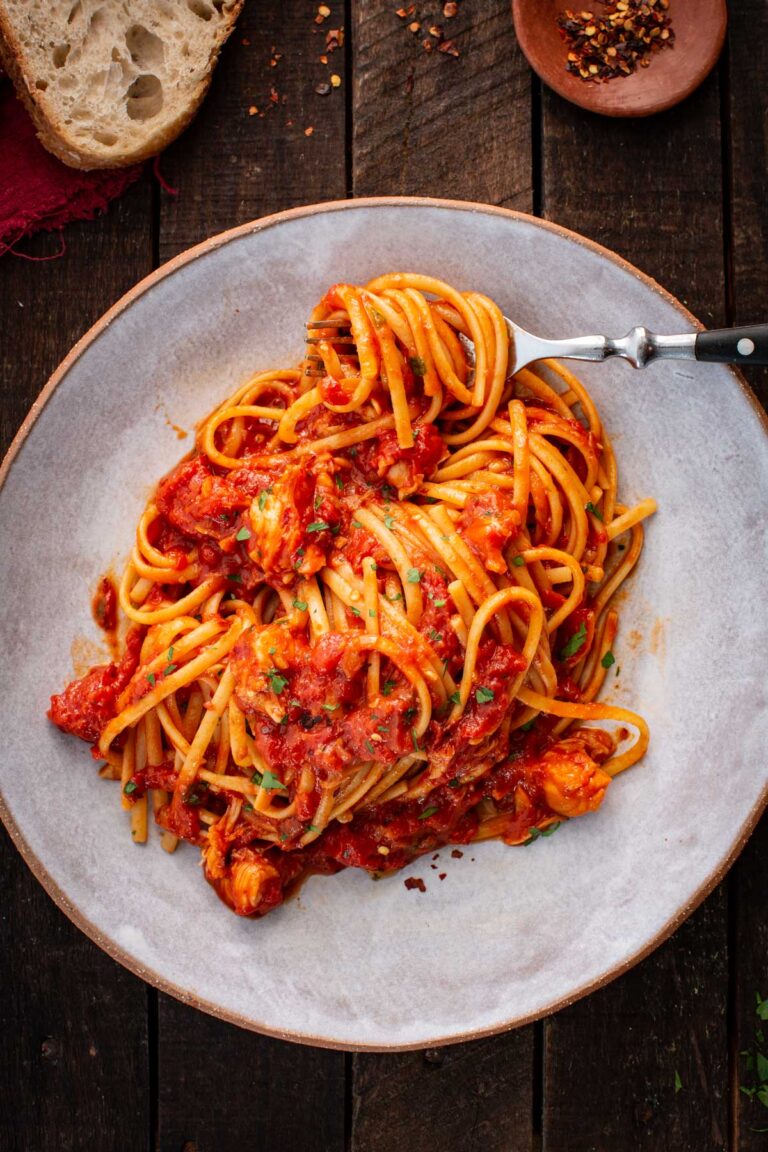
Lobster Fra Diavolo Pasta
This lobster fra diavolo is a simple pasta dinner that has incredible flavor. Sweet cold-water lobster and perfectly cooked linguine get tossed in a spicy tomato sauce that's infused with flavor from the lobster shells, creating layers upon layers of richness in every bite.
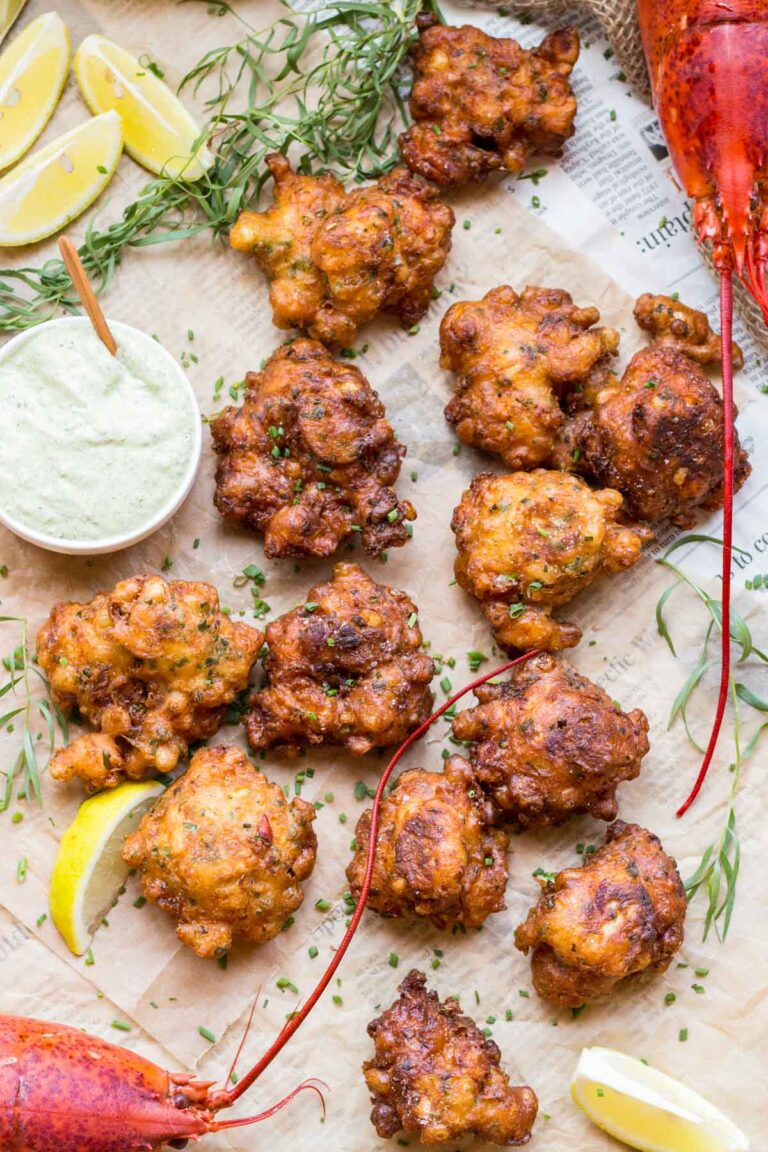
Lobster Corn Fritters
Fresh sweet corn and lobster are one of my favorite summer flavor combinations, and these crispy fritters show exactly why. They're golden, crisp, and packed with chunks of lobster, and they're even better dipped in a bright, lemony tarragon aioli.
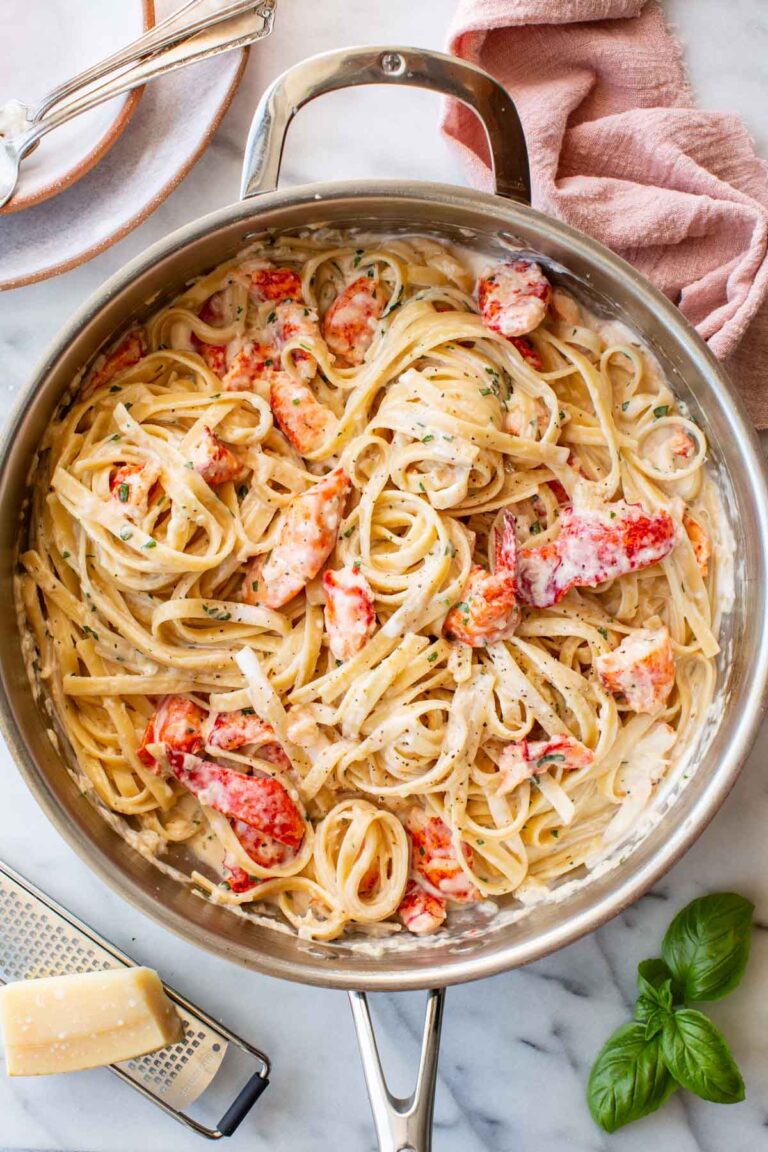
Creamy Lobster Fettuccine
This recipe for creamy lobster pasta is so simple to make, but tastes like it came from a fine dining restaurant. Sweet, tender lobster is tossed with perfectly al dente pasta and an alfredo-inspired sauce that's rich and luxurious, yet delicate enough to let the lobster shine. After years of cooking professionally and testing lobster recipes, I have every tip you need to make the ultimate lobster pasta at home in under 40 minutes!
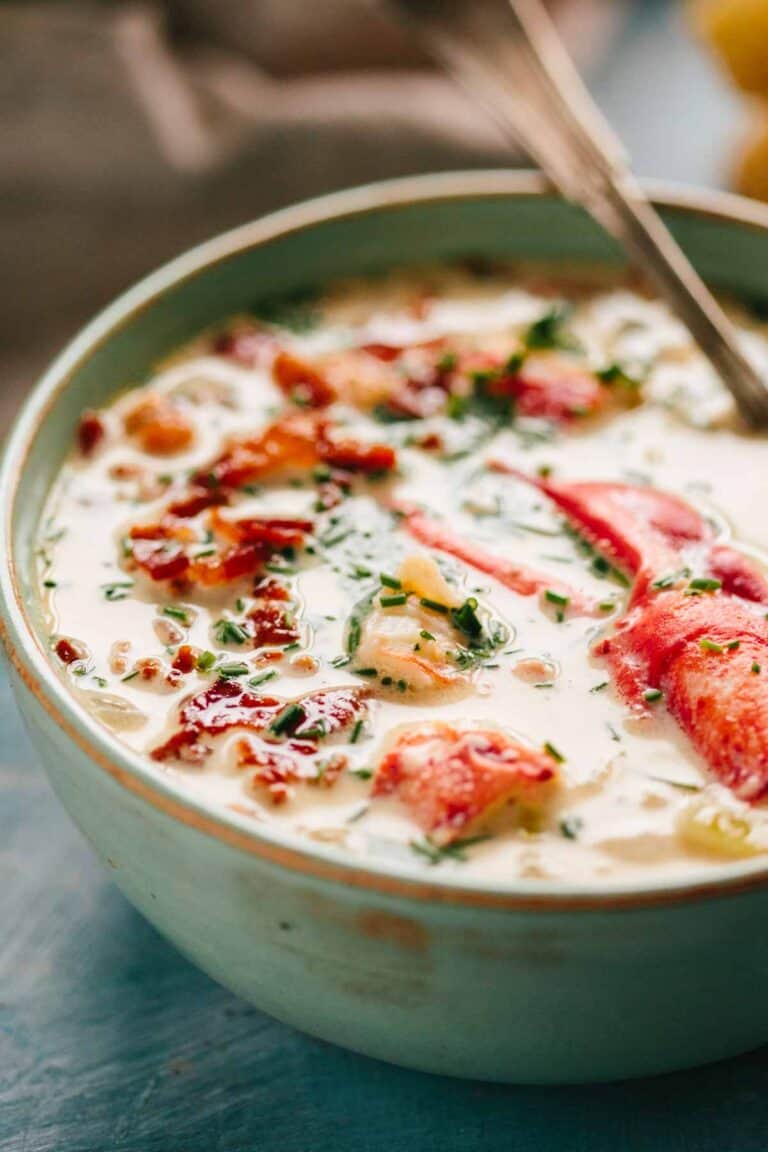
Lobster Chowder with Corn and Bacon
Sweet corn, smoky bacon, tender potatoes, and big chunks of lobster come together in a rich, creamy broth that's perfect for chilly nights, holiday gatherings, or whenever you want something a little extra special.
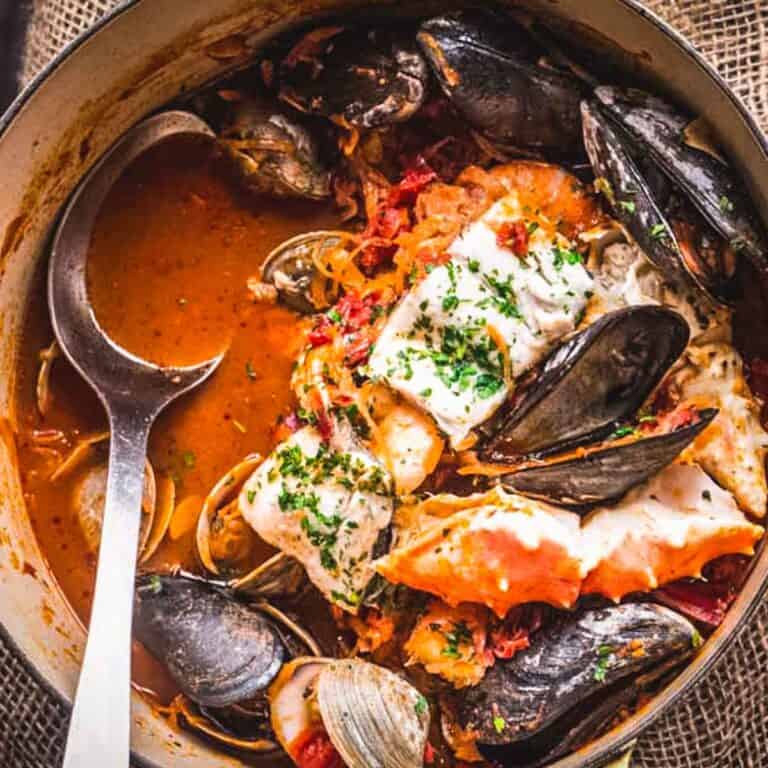
Authentic Cioppino
This authentic San Francisco cioppino is loaded with clams, mussels, shrimp, crab, and fresh fish in a rich tomato broth that's perfect for special occasions. While the recipe calls for king crab legs, lobster tails make an excellent substitute and add an extra touch of luxury to this classic Italian-American seafood stew.
Tips for Cooking Lobster
- Don't overcook it. This is the most important rule. Lobster meat should be opaque and lightly springy when done. If it becomes tight, curled, or rubbery, it's been cooked too long.
- Start with the best lobster you can find. Whenever possible, choose cold water lobster from Maine or Canada for the sweetest flavor and best texture.
- Thaw frozen lobster slowly. If using frozen tails or lobster meat, let them thaw overnight in the refrigerator for the best texture.
- Don't throw out the shells! Lobster shells are packed with flavor and can be used to make stock, bisque, chowder, or enrich sauces. I always save mine in the freezer until I have enough to use.
- Keep cooked lobster cold until needed. Adding cold lobster meat at the end helps prevent it from overcooking.
- Many seafood counters will steam whole lobsters for you, and some will even crack or clean them, which can save a lot of time and effort. Don't be afraid to ask!
What to Serve with Lobster
Lobster has a rich, sweet flavor that pairs best with simple sides that let it shine. Fresh salads, seasonal vegetables, potatoes, and crusty bread are all classic choices that complement lobster without overpowering it.
For a lighter meal, serve lobster alongside a simple arugula salad or your favorite seasonal vegetables. If you're looking for something a bit more indulgent, buttery parsley potatoes, warm bread or creamy mascarpone mashed potatoes all pair beautifully with lobster.
And if you're serving lobster as part of a larger seafood feast, don't forget plenty of melted butter, lemon wedges and something fresh and bright to balance all that richness. I love lobster with a cold, crisp Sauvignon blanc!
Lobster FAQs
For the best flavor and texture, I recommend cold water lobster from Maine or Canada. It has sweeter meat, a firmer texture and unlike warm water spiny lobster, it also has knuckle and claw meat in addition to the tail.
Absolutely. Frozen lobster tails are one of the easiest and most convenient ways to cook lobster at home. Just thaw them slowly in the refrigerator before cooking for the best texture. High-quality cold water lobster tails can be nearly indistinguishable from fresh in many recipes.
Lobster is done when the meat turns opaque and feels lightly springy when pressed. The biggest mistake people make is overcooking it, which causes it to become tough and rubbery. When in doubt, it's better to slightly undercook lobster than overcook it, since it will continue cooking slightly after removing it from the heat.
Don't throw them away! Lobster shells are packed with flavor and can be used to make lobster stock, seafood stock, chowder, bisque, and sauces. I keep a bag in my freezer and add shells throughout the year until I have enough to make a batch of stock.